Gate Valve Symbol: How to Read a P&ID Without Guessing the Specification
Engineering resources
Gate Valve Symbol: How to Read a P&ID Without Guessing the Specification
A gate valve symbol identifies a valve function or type within the drawing system used by a project.
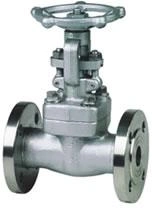
A gate valve symbol identifies a valve function or type within the drawing system used by a project. It is not a miniature manufacturing drawing. The symbol can help locate an isolation point, but the associated tag, valve schedule and piping specification provide the information needed to purchase the valve.
A commonly encountered representation has two opposing triangles meeting at their tips. Drawing conventions vary, however, and similar shapes may serve as generic valve symbols in another legend. Always establish what the project’s legend means before identifying a component from its shape alone.
Start with the drawing legend
Engineering organisations publish their own drafting references. For example, the Port Authority of New York and New Jersey provides a CAD standards manual containing engineering symbols. Such a document is an example of a defined drawing convention, not evidence that every plant uses identical symbols. CAD standards manual.
Check the drawing number, revision and legend first. When working from a cropped image, obtain the full drawing: the missing legend or notes may explain a mark that otherwise looks ambiguous. A schematic shows functional relationships; physical installation dimensions generally come from other documents.
Follow the tag to the valve schedule
Consider an illustrative tag, GV-101. The letters might identify a gate valve in a particular project, and the number might distinguish it from other valves. That interpretation is only valid if the project’s tagging convention says so. Neither the letters nor the number establish pressure class, material or nominal size on their own.
A useful reading sequence is: locate the symbol, read the adjacent tag, identify the line number, then find the matching entries in the valve and line schedules. The piping class can supply further requirements, but the final purchase description must resolve any differences between the documents.
| Drawing information | What to establish next |
|---|---|
| Valve symbol | Meaning under this drawing’s legend |
| Valve tag | Matching valve schedule entry |
| Line number | Fluid service and piping specification |
| Operator indication | Manual, pneumatic, electric or other operation |
| Position or locking note | Meaning and applicability under project conventions |
What the symbol cannot tell you
A simple gate valve symbol does not reliably distinguish a rising stem from a non-rising stem, a resilient seat from a metal seat, or a wedge gate from another detailed construction. It also does not establish face-to-face length, stem travel, testing requirements or the manufacturer’s pressure-temperature limits.
These omissions matter during replacement. Two valves with the same schematic symbol can require different overhead clearance or actuators. For procurement, request the relevant data sheet and general arrangement drawing instead of treating the P&ID as a dimensional reference.
Handle revisions and conflicting documents
Suppose the P&ID tag points to a manual valve, but the schedule lists an electric actuator. Do not silently choose whichever description is easier to quote. Record the discrepancy with both document revisions and obtain a resolved specification. The same discipline applies when the line class and valve schedule disagree on end connections or materials.
For a quotation package, include the latest approved document references and highlight the relevant tag. This is more useful than sending an isolated symbol with a request for “the same valve.” It gives the supplier a traceable basis for technical questions and exceptions.
Does a filled symbol always mean normally closed? No. Fill patterns and position markings depend on the legend; do not transfer a convention from another project.
Can the symbol establish flow direction? Not by itself. Use the drawing’s flow indications and the valve’s documented directional requirements.
Once the schedule is resolved, compare the gate valve product family against the required construction and duty. The symbol starts identification; the approved specification completes it.
Let’s specify the right valve.
Send your valve list, operating conditions or project datasheet.
Need a valve for your application?
Send your valve type, operating conditions and quantity. Our team can help review the options for your inquiry.
Request a Quote →